Contact Us

Category: Latest Blog

5 Signs Your Caravan Suspension Needs Repair 

Do you own a caravan? Are you concerned about the level of wear and tear on your caravan suspension system? If you are wondering whether it’s time to repair or replace your caravan’s suspension system, look for the following signs:

  • Accident Damage
  • Too Much Bounce
  • Uneven Tyre Wear
  • Caravan Stands Unevenly 
  • Oil Stains On The Struts And Shocks

Your caravan’s suspension plays an essential role in ensuring safe and comfortable driving. In addition to absorbing the shocks caused by uneven road surfaces, the suspension system also keeps the caravan steady when cornering. 

Since this important element of the caravan is made up of a variety of moving parts that are continuously subjected to a substantial weight load, it is prone to wear and tear. A damaged or worn out suspension system can expose you to unnecessary safety risks when driving and also affect the quality of the ride which is why caravan suspension maintenance is crucial. 

To help you spot any issues as early as possible, here are five signs of a damaged or worn-out caravan suspension.   

1). Accident Damage

Accidents normally cause extensive damage to your vehicle and caravan. If your caravan has been involved in an accident, it is recommended that you have the suspension system inspected for damage. It is best to have the axle and suspension system inspected by an expert right after the accident to keep things from getting worse – or prevent the damage from spreading to the wheels and other parts of the caravan.   

2). Too Much Bounce 

The suspension system is specifically designed to absorb any shocks that occur as the caravan wheels roll over various obstacles in their path. If your caravan keeps bouncing up and down excessively when moving, this is a clear sign that the suspension system is not working properly; and as such, might be in need of repair or replacement. 

How Tell if Caravan Suspension Worn Out

3). Uneven Tyre Wear

There are two main reasons why your caravan’s tyres may develop uneven wear. This may be due to the wrong tyre pressure or a damaged suspension system. If the tyres on your caravan have uneven treads, and you have double-checked the tyre pressure, you are likely looking at a damaged suspension as the main cause. 

Other signs of suspension damage that you can pick up on are that when your caravan is moving, is there a rolling feeling when cornering? Furthermore, if your caravan appears to lunge forward when coming to a stop, this can be taken as an indicator of a faulty suspension.  

4). Caravan Stands Unevenly  

Your caravan should be able to stand evenly when parked on flat ground. If you suspect that the suspension system is damaged, try parking the caravan over a flat even surface and check whether it stands evenly. If the caravan is slanting towards one side, then it is highly likely that the suspension system is worn out or damaged; and, in need of repairs.  

5). Oil Stained Struts And Shocks 

A quick visual check assessment of your caravan’s suspension system will reveal any signs of damage. If you spot any oil stains around the shocks or struts, it is likely that there is a fluid leak. This is a clear sign of suspension system damage that should be fixed as soon as possible. 

Summary

Your caravan’s suspension system doesn’t just act as a link between the tyres and the chassis. It has an essential role to play in the safe and comfortable operation of the caravan. If you think that your caravan suspension is in need of repair, but are not sure, use the above signs to ascertain whether you need to have it repaired before taking it on your next adventure. 

Please call us at Alpha Suspensions today on 03 7009 2660 and get a free quote for any on or off-road caravan suspension requirements you may have or you can leave an inquiry.
How To Check Ride Height For Caravan Suspension Systems?

Caravan suspension systems are designed to improve driving performance and load balance among axles at the specified ride height. For a caravan owner, getting the ride height right is extremely crucial because using your suspension outside the designated ride height range can increase suspension wear, damage the cabin and reduce overall ride quality. To function at peak performance, your caravan suspension must be set at its specified ride height.

What Is Ride Height?

Ride height, also referred to as suspension height, is the space between the point at which your vehicle’s tires touch the ground and the underside of your chassis. 

Ride height specifications vary depending on the type of suspension, vehicle use/application, and requirements of the caravan manufacturer. The best place to find the appropriate ride height for your caravan is in the vehicle manufacturer or OEM manual. Also, many caravan manufacturers display the designated suspension height on a label mounted to the caravan’s frame. To get the right suspension height, it’s always advisable to check with the manufacturer for the correct specification.

Of course, you may want to adjust your suspension for a specific reason, for instance, raising your suspension can improve its off-roading capabilities while lowering your suspension can improve handling. In such cases, it becomes even more important to know exactly what you are doing before messing around with the ride height of your caravan suspension system.

How Check Ride Height Caravan Suspension Systems

How To Measure Ride Height

First and foremost, you need to make sure you know the caravan manufacturer’s specified ride height. Check the OEM manual or any documentation that came with your vehicle. You need to establish the exact point on your caravan to measure the suspension height. It can be from the bumper to the ground, from the fender lip to the ground, or from the rocker panel to the ground depending on your vehicle. 

Some manufacturers may recommend measuring ride height from the frame rail to the suspension control arm or axle.

Something important to remember is that tyre and wheel size will affect the measurement regardless of the point you use to measure your caravan’s ride height.

To measure ride height, use a retractable metal tape measure. It’s advisable to fill your caravan with an average tank of gas (let’s say half a tank) and have one or two people inside the vehicle. Next, measure the ride height from your preferred point of reference and write down the measurements and specific details of how you took it.

Ground Clearance

Ground clearance is often the same thing as ride height. However, ground clearance is measured simply from the lowest point of your car to the ground. The lowest point of your vehicle can be anywhere from the chassis bracing to differential housing, plastic shielding, bumpers and the exhaust system. Basically, it’s the part of your car that suffers the most scrapes when driving on steep terrain. To measure ground clearance, you first need to confirm the lowest part of your car and then use a tape measure or callipers to get the measurement.

A caravan with a high ride height is at greater risk of rolling over. On the other hand, one with a low ride height is more likely to suffer damage due to the underbody and chassis being scraped or struck by uneven road surfaces like potholes, steep driveways, and speed traps. However, many people who understand the ins and outs of suspension height and ground clearance know that they have to make certain sacrifices in order to enjoy the benefits of either low clearance or high clearance. 

At the end of the day, the most crucial thing is that your caravan’s suspension meets your needs. If you aren’t sure what caravan suspension ride height is best for you, or if you need to have your caravan suspension tested or inspected, please contact us and we will be happy to discuss your options.

Please call us at Alpha Suspensions today on 03 7009 2660 and get a free quote for any on or off-road caravan suspension requirements you may have or you can leave an inquiry.
How Is Caravan Suspension Load Tested? 

Caravans are heavy, large vehicles and this means their suspensions face a lot of strain. To ensure the safety of the driver and other road users, and to prevent damage to the caravan itself, the caravan suspension must be in good condition and well maintained. Before any caravans are put on sale, they’re evaluated to ensure they’re roadworthy. Load testing is an important part of this.

When Is Load Testing Carried Out And Why Does It Matter?

Caravan suspension will be tested before a caravan is put on the market, and will also be tested as part of any regular roadworthiness tests. A corroded or damaged suspension could impair the handling of a vehicle, so it’s important to ensure the suspension is in good condition. The government requires all caravans to be insured and roadworthy before they’re taken onto the road.

If you’re replacing your caravan’s suspension, it’s important to choose the right type, with an appropriate load rating. Fitting suspension that can’t handle the load could leave you with a caravan that is difficult to control both in terms of maneuvering and braking or could damage the structure of the vehicle. That’s why checking the load ratings of any new parts, and confirming the weight of your caravan, is so important.

What Does Load Testing Look For?

Load testing for caravan suspension involves making sure that the suspension is not corroded, is stable, and is properly responsive. It checks:

  • That the suspension “bounces back” as expected.
  • That the suspension responds equally on all sides
  • That there’s no corrosion, weakness, or structural damage
  • That the suspension is not too soft or too violent in response
  •  Whether there are gaps between the leaf springs that could indicate damage.

Testers are on the lookout for odd sounds, creaking, vibration, or uneven responses that could impair the handling of the vehicle or make the caravan difficult to tow.

How Caravan Suspension Load Tested

How Reliable Is Caravan Suspension?

Caravan suspension can take a lot of strain, especially if the caravan is regularly taken off-road. Corrugations in the road can take motorists by surprise and are often bigger than they appear from a distance. Experienced motorists can reduce the strain that corrugations might cause their vehicles, but it’s still a good idea to have robust suspension on any caravan, trailer, or car that is going to take on difficult conditions.

Choosing the right type of suspension can make a big difference, as can regularly inspecting the suspension. Before and after every trip, look for cracks, breakage, gaps, or other signs of wear and tear. If you have traditional leaf spring suspension, lubricate the springs if necessary. This will keep the suspension working well for a long time to come.

There’s no simple rule for when to replace caravan suspension. So, rather than thinking to yourself “I’ll replace my suspension or shock absorbers after 50,000 kilometres”, be proactive with your inspections and maintenance. If you notice shaking, rattling, or vibrations when towing your caravan, that’s a sign something is wrong.

Aftermarket Suspensions Designed To Handle Off-Road Camping

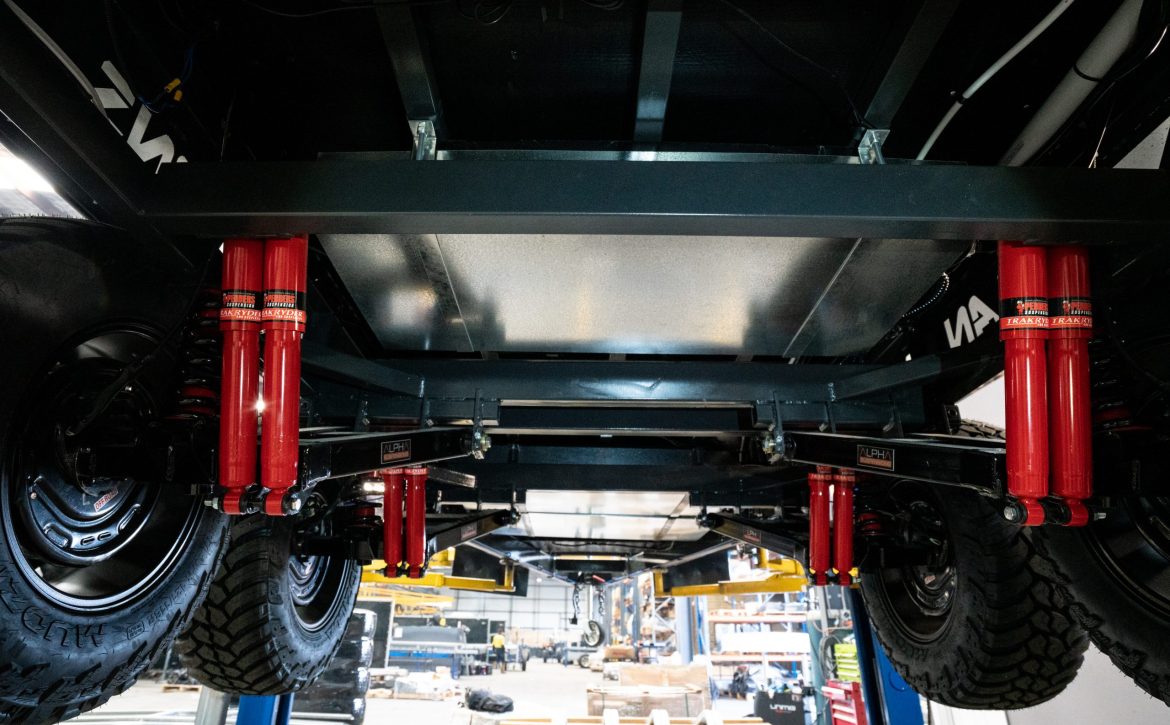
At Alpha Suspensions, we offer a variety of suspension options for trailers and caravans, including the Alpha Xtreme independent off-road suspension. These aftermarket suspension options can make towing a large or heavy caravan in difficult conditions a more enjoyable experience. 

If you want to feel confident in the handling of your vehicle when you’re taking a caravan off-road, take a look at our caravan suspensions or contact our sales team to learn more about the range. We would be happy to advise you on which suspension is most likely to be suitable for your caravan or trailer.

Please call us at Alpha Suspensions today on 03 7009 2660 and get a free quote for any on or off-road caravan suspension requirements you may have or you can leave an inquiry.

A,Typical,Outback,Touring,Rig,Heads,Back,Onto,The,Road

Is There Any Maintenance Needed For Caravan Suspension?

Caravans are built to last, but this does not mean that they do not require regular servicing and maintenance. Maintenance helps to prevent future problems and disasters. When doing your routine caravan servicing, it’s really easy to forget about the caravan suspension because it’s hidden away and out of sight. This does not mean that it should be ignored when you are performing maintenance checks on your vehicle.

Suspension Wear and Tear

Just like wheel bearings and brakes, the suspension also suffers from rapid wear and tear due to the forces they have to handle on a day-to-day basis. The suspension on your caravan is responsible for cushioning the ride and making it more comfortable. The suspension does this by absorbing road shocks and preventing them from being transmitted to the vehicle where they can cause damage.

It goes without saying, therefore, that regular caravan suspension maintenance is crucial. People who use their caravans on a regular basis will obviously need to take their vehicles for servicing more often than those who use theirs only every so often. Older suspensions may require more frequent checks to ensure they are working properly. Also, suspension systems made from low-quality or inferior parts may also require frequent servicing and repair.

Eventually, individual suspension parts, from shock absorbers to the springs and bushes, will need to be replaced. A faded or worn out absorber will lose its ability to control the movement of the spring and the caravan will start to tow in a less predictable manner. Regular maintenance and servicing can help you avoid such problems.

Caravan Suspension Maintenance Checks

Each type of caravan suspension has its own unique maintenance checks and procedures. While one type of suspension may require servicing every few weeks, another type may only need servicing at least once a year. Here are some of the major types of suspensions found on caravans and their corresponding maintenance checks and procedures.

1). Leaf Spring Suspension

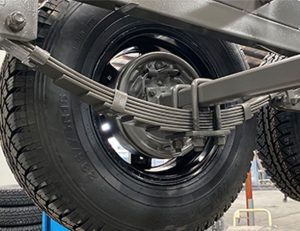
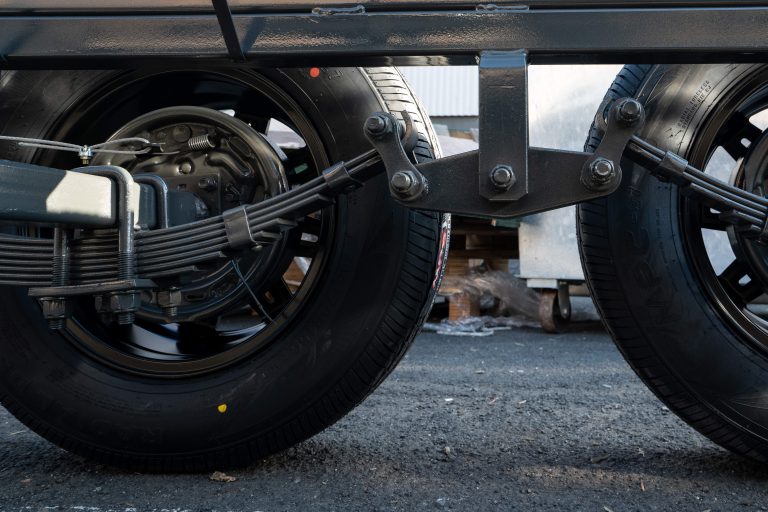
This is the most popular type of suspension on caravans. A leaf spring has an eye mount on each end. Older leaf spring suspensions should be checked every 10,000 km for wear and tear on pins, bushes, and bolts. You should also check for cracks in the spring itself and any other moving component.

2). Slipper Leaf Spring Suspension

Almost similar to a regular leaf spring suspension, a slipper leaf spring reduces wear by replacing one of the eye mounts with a slipper mount. The slipper mount minimises the stress on the spring. The slipper mount needs to be checked regularly to ensure it is not worn out or cracked.

3). Tandem Axles

The rocker suspension system that is commonly found in tandem axles is known to be prone to pin and bush wear. This wear can break the springs, causing costly damage. Regular maintenance of the rocker suspension system is crucial for the longevity of your caravan. An alternative is to install a rocker-roller suspension system, as it usually suffers less pin and bush wear, which makes it less likely to break springs.

4). IRS Suspension

Independent Rubber Suspension use torsional resistance instead of springs. This is a suspension system that has been used in Australia and other parts of the world for many years. The only maintenance check required for this suspension is being re-rubbered every few years.

Underlying caravan suspension maintenance, above cost and time, is safety. Much of the key maintenance checks discussed above have a direct impact on the performance, and by extension safety, of your vehicle.

With that in mind, caravan owners are advised to routinely service the suspension on their vehicles in order to improve both performance and safety. If you are looking for the most reliable caravan suspensions in Australia, look no further than Alpha Suspensions.

Please call us at Alpha Suspensions today on 03 7009 2660 and get a free quote for any on or off-road caravan suspension requirements you may have or you can leave an inquiry.
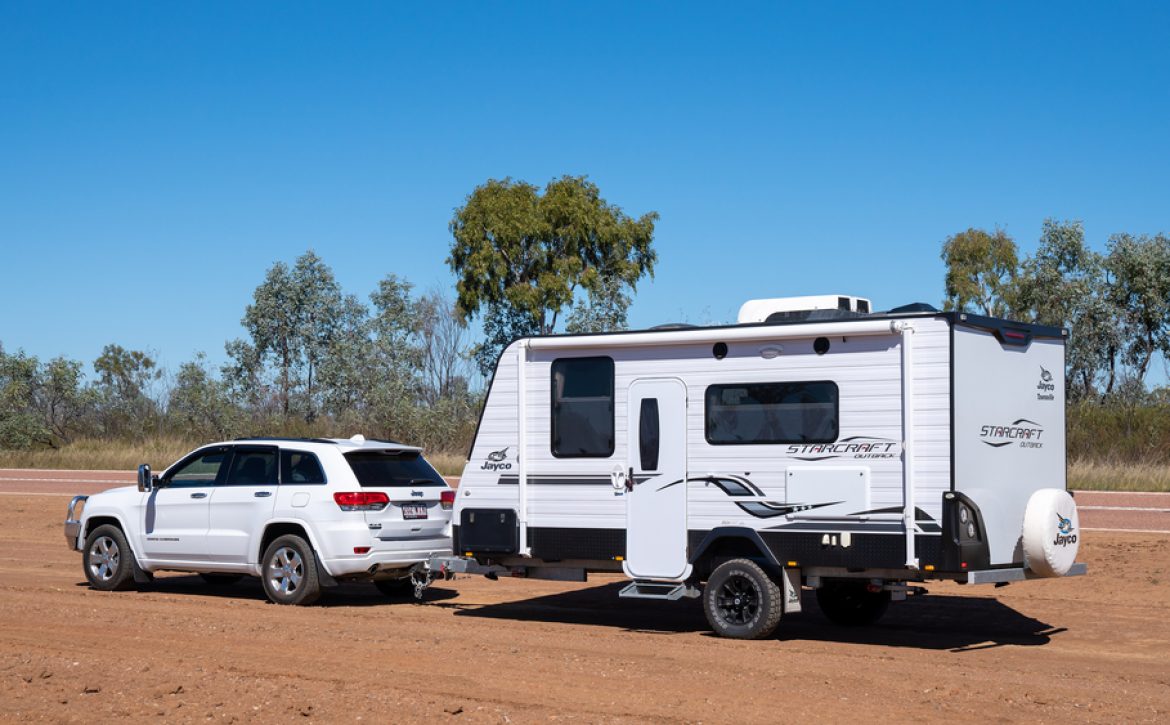
Uranda,,Queensland,,Australia,,June,20th,2018,,Four,Wheel,Drive,Towing

Practical Suspension Tips For Caravans

Your caravan’s suspension is probably the most important component of the vehicle because it has a direct impact on day-to-day usability as well as long-term durability. The suspension on your caravan has 2 main purposes; to make driving on different surfaces and terrains comfortable and to absorb any excess shock that can be transmitted to other parts of the vehicle and cause damage.

Having the right suspension on your caravan can make your life easy, however, finding a quality suspension is not always easy. There are also so many types of suspension systems to choose from, and this can cause quite a bit of confusion to average people who don’t have any professional knowledge and expertise.

To make things easier, we have compiled a few practical tips that you can use to choose the right suspension for your caravan.

The Best Suspension

You may be wondering, what’s the best suspension system for my vehicle? Well, choosing the best suspension for your caravan comes down to where you’ll be taking it. Obviously, it is not practical to go for a standard leaf spring beam axle suspension when facing harsh off-road conditions.

If hardcore off-roading is on your agenda, then you will need to get a fully-fledged independent suspension with shock absorbers for your caravan. On the other hand, if you plan to stay on smooth tarmac roads and venture onto a couple of dirt roads when necessary, a leaf spring beam axle suspension will probably do just fine. However, if you can afford an independent suspension, there’s absolutely no downside to getting one even though you are going to stick to highways because you will enjoy smoother and more comfortable rides. Remember though that this added comfort will come at a price.

The Grey Area (Semi Off-road Caravanning)

Semi off-road caravanning is basically a combination of touring or driving on dirt and gravel roads and cruising on highways and urban roads. Now, this type of caravanning is considered by many to be a grey area because the amount of time spent on either rough or smooth terrains varies from one caravan owner to the other.

The general consensus is that drivers who engage in semi off-road caravanning should get some specialised independent coil suspensions systems where possible. But, again, there’s some additional cost to factor in here.

An alternative is to install a load sharing rocker-roller setup, which is a versatile suspension system that performs well both in semi off-road and bitumen conditions.

Suspension Wear And Tear

Once you have settled on the type of suspension that’s best for your intended use, the next step is to check the quality of components. How reliable and effective your suspension will be boils down to the quality of certain parts like the shackle bolts, bushes, and centre rocker arm if it’s a tandem-axle load sharing suspension. These components are responsible for keeping your suspension flexible in order to reduce wear and tear over time.

A low-quality suspension will have you replacing shock absorbers, springs and bushes every other day. A faded or worn shock absorber will lose its compression and ability to manage the oscillation of the spring. Your caravan will start to tow in a less predictable way, which can be quite frustrating.

How To Avoid Suspension Problems

The best way to avoid suspension problems is to first establish where you want to take your caravan and choose a suitable suspension setup to match. Next, make sure you get a suspension system from a well-known and reputable auto parts manufacturer, not from unknown sources overseas. Beware of cheap suspension made from low-quality components and materials (like steel) that are easily susceptible to wear and tear.

If you are looking for the most reliable caravan suspensions in Australia, look no further than Alpha Suspensions. Please call us at Alpha Suspensions today on 03 7009 2660 and get a free quote for any on or off-road caravan suspension requirements you may have or you can leave an inquiry.
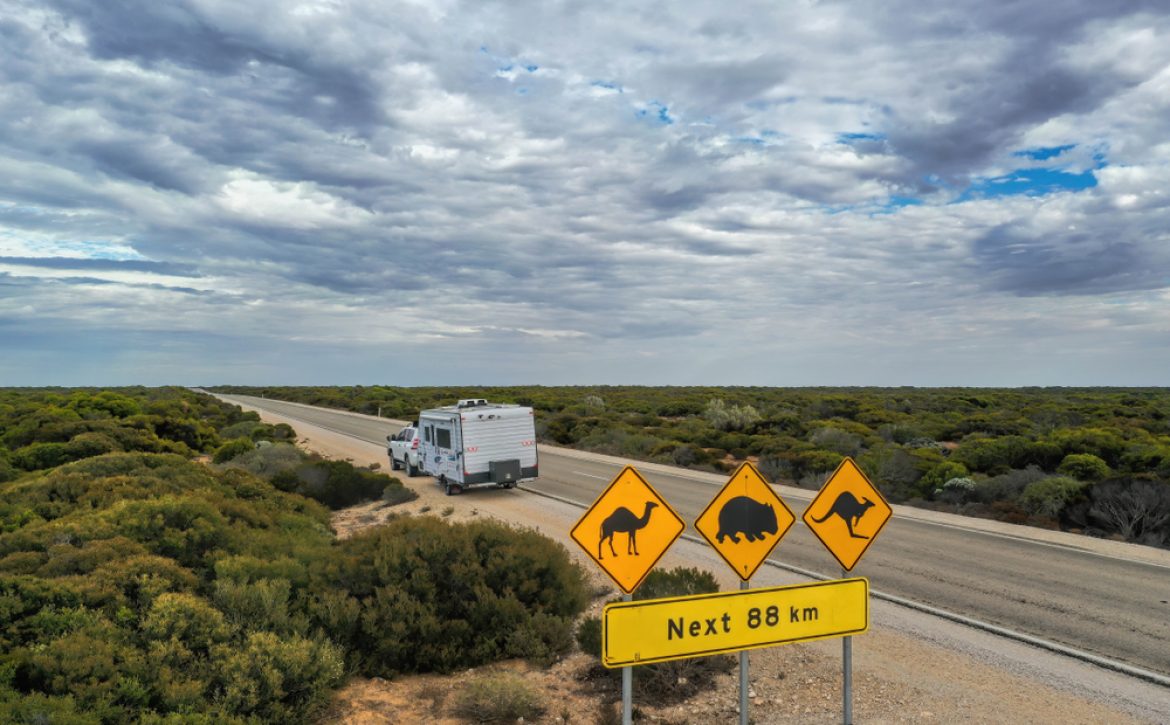
Aerial,View,Of,Four,Wheel,Drive,Vehicle,And,Caravan,Parked

Understanding 4 Types Of Caravan Suspensions

Do you know what type of suspension system your caravan has? Or are you planning to purchase a new suspension kit?  It’s important to understand the basics of how it operates, as it can make a big difference in its handling on the road, or off the beaten track. If you would like to learn more about the four types of caravan suspensions, feel free to keep reading below.

What Is A Caravan Suspension?

A caravan suspension system is a part of the vehicle that absorbs and disperses the energy of shocks to keep the caravan from shaking or vibrating while driving on rough or bumpy roads. In other words, the suspension system of a caravan is what cushions your ride and makes it more comfortable when driving on uneven terrain. 

Caravan suspensions help to absorb vibrations and bumps in the road, which reduces stress on your vehicle’s frame and is vital for safe driving. This is especially important if you have older or worn out parts on your caravan.

What Are The Four Types Of Caravan Suspensions?

One of the most important factors in choosing a caravan is its suspension. There are four types, each with its own set advantages and disadvantages. Let’s take a look at what these four types of suspension systems are.

1). Leaf Spring Tandem Suspension

Leaf springs are considered one of the oldest suspension types yet they are also one of the most commonly used suspension systems for caravans. This may be because they are cost-effective and are great at absorbing rough blows from the road. The leaf springs are bound by bolts on either end of the main leaf. The rear is attached to a shackle that pivots which in turn is attached to the caravan’s chassis. 

2). Rigid Axle Suspension

Rigid axle suspensions are also considered one of the pioneering types of caravan suspensions out there. You’ll find this type of suspension commonly installed in off-road caravans given that these systems are, from the name itself, rigid and can carry a lot of loads. These systems are also quite cost-effective compared to more sophisticated systems given that they have easy maintenance and installation.

3). Airbag Suspension 

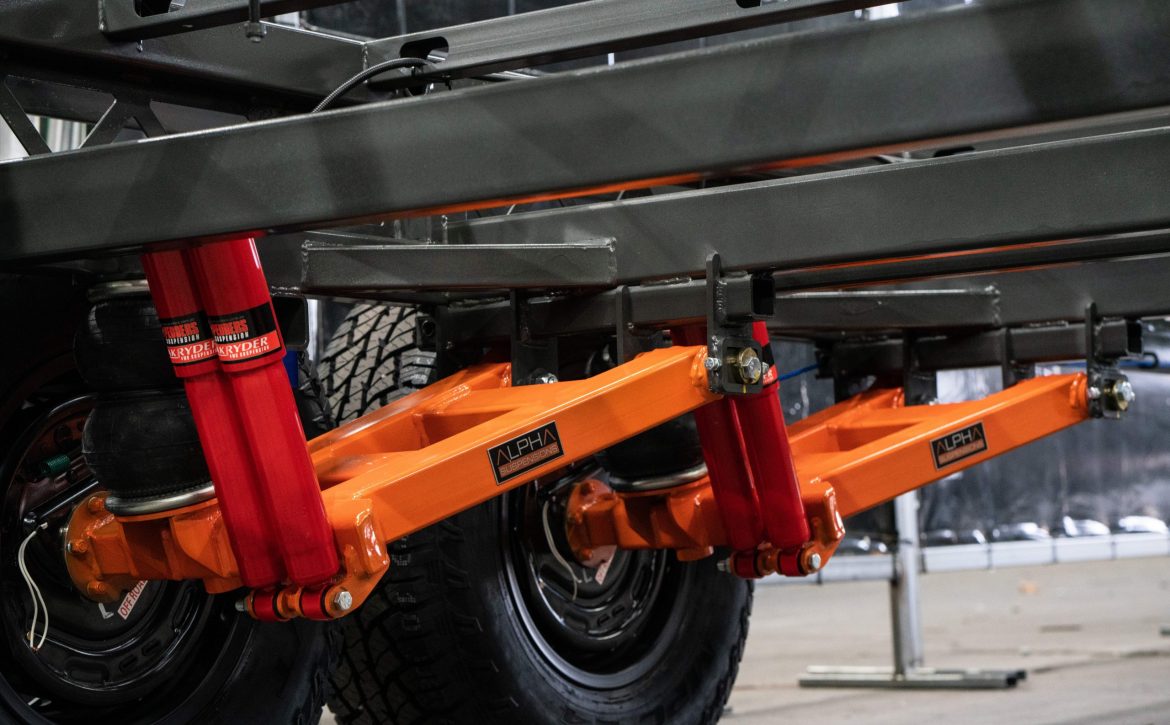
As the name suggests, the airbag suspension system makes use of a pressurised rubber bag that absorbs that caravan’s load. This means that you’ll need to bring a supply of air such as a cylinder with you when you travel in your caravan. However, this suspension system is beneficial because you’ll be able to drive on various roads without feeling unstable or out of balance. These caravan suspensions are known to be a bit pricey but they are definitely worth it for a comfortable caravan travel experience. 

4). Independent Rubber Suspension

If you’re looking for a suspension that is lightweight, the independent rubber suspension system is the one for you. It is a bolt-on system that has tubes running along the whole caravan. Since shock absorbers are not needed due to the systems’ self-damping ability, you’ll be able to have more control over the height of your caravan. 

Choosing The Right Caravan Suspension

Caravan suspension is a critical component of your caravan’s performance and safety. They allow you to control how your vehicle handles on all types of terrain, from rocky mountain roads to bumpy dirt paths. 

For those on the lookout for a new caravan suspension, be sure to consider what type of suspension you need before making your purchase. Do you plan to tow your caravans up hills? How often will it be used off-road or on rough terrain? What sort of towing vehicle will you be using? 

Understanding these four types of suspensions can help narrow down which is best for your needs. As a golden rule, remember this: when it comes to choosing the right caravan suspension, you want a system that will ensure that you and your family enjoy their time travelling in comfort while on the road. 

Summary

The four types of caravan suspension we’ve discussed in this post should give you an idea about what is right for your needs and budget. However, if you want more information or have questions before purchasing caravan suspensions, don’t hesitate to reach out! We’re always happy to answer any questions and help find the perfect fit for all our customers’ needs. 

Please call us at Alpha Suspensions today on 03 7009 2660 and get a free quote for any on or off-road caravan suspension requirements you may have or you can leave an inquiry.
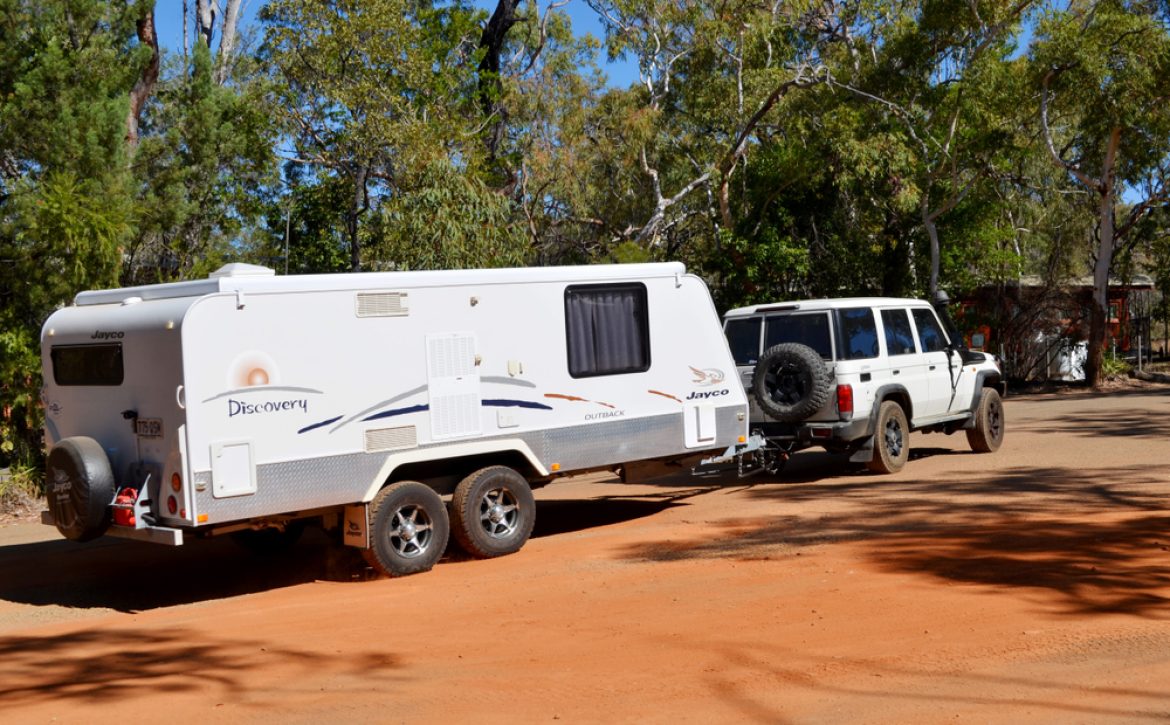
What Components Are Used By Caravan Suspension Manufacturers?

Every caravanning enthusiast appreciates the need for a good caravan suspension system. The main role of the suspension is to absorb the shock of any bumps and dips on the road. Positioned right between the wheels and the caravan body, the suspension system works to prevent the uneven up and down movement of the wheels from making their way to the caravan body. 

The suspension also helps keep the caravan stable during cornering by altering the angle at which the wheels touch the road surface as the weight of the caravan, and its contents, shifts to the outside as, and when, the caravan starts swaying.

So, what are the main components of the best caravan suspension? And, how do they work to ensure the most effective performance during use? 

To effectively handle these functions, caravan suspension systems are made of several important components, including:

  • Springs
  • Shock Absorbers/Dampers
  • Bushes

Please continue reading below to find out more about the main components of caravan suspensions and how they work.

Springs

Caravan suspension systems are fitted with leaf, coil or air springs. Just like any other spring, the springs used in suspension systems usually lose their shape when subjected to force before returning to their normal shape. As such, when a caravan wheel goes over a bump or dip on the driving surface, the spring is either compressed or extended respectively.  

The main issue with springs is that they normally oscillate, compress and extend, over and over a few times before they stop after being initially extended or compressed. This repeated oscillatory motion can lead to unnecessary movement of the caravan To stop this from happening, shock absorbers or dampers are fitted to the suspension.  

At this point, it is worth noting that leaf springs are usually used on solid/live axle suspension systems while air and coil springs are mostly used on the independent variable. 

What Components Used Caravan Suspension Manufacturers

Dampers 

Simply put, without shock absorbers in the suspension system, caravans and even cars would bounce around uncontrollably every time the wheels go over bumps or dips on the road. This can actually be observed in smaller caravans equipped with simple suspensions which do not include dampers. 

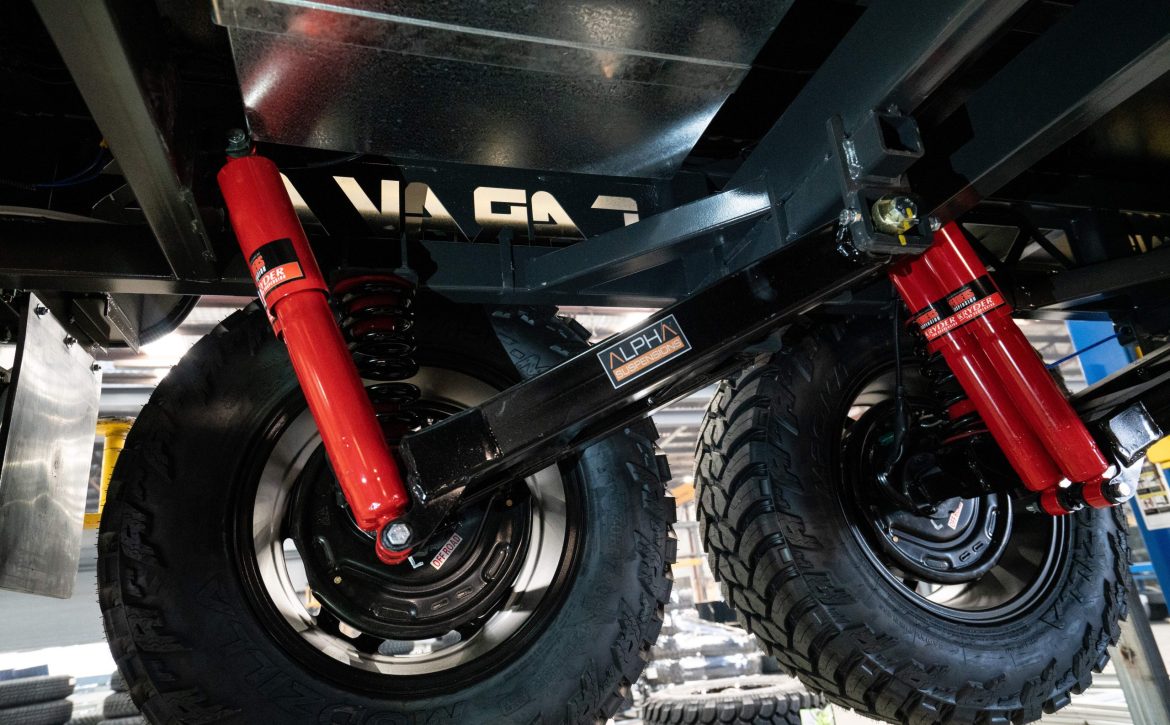
Dampers are essentially composed of a fluid through which a plate, with holes in it, is driven by a connected stick. Thanks to their unique design, shock absorbers effectively damp out the repeated compression and extension of the springs, thus, facilitating a smoother ride.  

The primary function of dampers is to convert the up and down movement of the wheels (kinetic energy) into another form of energy. Dampers are designed to convert kinetic energy into heat energy. Top-quality dampers must be able to handle huge amounts of heat to ensure effective operation. This is especially important for those designed for use in off-road caravan suspension systems.  

Bushes 

Bushes are another important component of caravan suspension systems. These can be described as small rubber cushions installed between shock absorbers and the caravan’s shock absorber mounts. In addition to preventing metal on metal contact, these components also aid in the absorption of shocks caused by dips and bumps on the driving surface.

Conclusion 

While there are different types of caravan suspension systems, the best ones are made using the above described main components. With that said, it is important to note that the best type of suspension for you, between line axle and independent, is dependent on the type of caravanning you intend to do.

The latter is mostly suitable for caravans that will only be towed over smooth tarmac roads. However, if you intend to take your caravan off-road, you will be better off with independent suspension. That is is where Alpha Suspensions come into the equation. If you are looking for the most reliable caravan suspensions in Australia, look no further than Alpha Suspensions.

Please call us at Alpha Suspensions today on 03 7009 2660 and get a free quote for any on or off-road caravan suspension requirements you may have or you can leave an inquiry.

Undara,To,Townsville,Highway,,Queensland,,Australia,-,June,2020:,Car

What Is The Best Type Of Caravan Suspension For Corrugations?

Have you ever taken a caravan off-road and experienced the juddering, bone-crunching feeling of corrugations on the road? Have you noticed how when you’re going faster over them, the ride feels smoother? What you may not realise is that at high speeds, that smooth ride comes at the expense of strain on your caravan suspension.

Corrugations Put Stress On Your Vehicle

Corrugations are caused by a combination of soft terrain, wind, and traffic. They’re common on relatively busy stretches of road, particularly dirt roads. If you encounter short stretches of corrugations, your best option is to slow down to reduce the risk of damage to your vehicle. 

Unfortunately, the ride won’t be comfortable for you or your passengers, but you’ll put less stress on the suspension. The last thing you want on a long off-road trip is a cracked or damaged suspension when you’re in the middle of nowhere and miles away from help.

You can alleviate some of the stress that corrugations put on your vehicle by running lower tyre pressures, but the real work will need to be done by the suspension, and that’s why the choice of suspension matters so much. Even ignoring the mechanics, the difference between single vs independent axles is clearly noticeable when you’re driving in such difficult conditions.

Choosing The Right Suspension For Off-Road Use

There are several types of caravan suspensions, but some of the most common are:

  • Single axle/axle and leaf spring
  • Al-Ko independent axles
  • Independent coils
  • Air assisted

Of these, single axle suspensions are affordable and relatively easy to maintain. They don’t offer the smoothest ride, but they do have the benefit of being simple and cheap. Springs tend to flatten out after about 50,000 miles of riding, and they could break on heavy corrugations. However, if you are a motoring enthusiast and you pack a spare spring, you should be able to fix suspension issues yourself.

What Best Type Caravan Suspension Corrugations

Rubberised independent axles are relatively maintenance-free and long-lasting. This type of suspension was popular in Europe and has only recently started being seen on Australian vehicles. The axles need less hands-on care and maintenance, but when they do need servicing it’s a more specialised job.

Independent coils tend to last much longer even in rough conditions and should be able to handle the abuse of long stretches of road with corrugations. They offer a far more pleasant overall experience and are still reasonably easy to maintain.

Air-assisted suspension is hugely popular with outback tourers and offers the smoothest ride of all. However, this type of suspension is harder to maintain on the road. It’s important to make sure the pipes and compressor are properly protected to prevent damage from hard debris or impacts.

At Alpha Suspensions, we have a variety of suspensions to choose from, including tough and durable independent suspensions made with the toughest conditions in mind. These suspensions can handle long stretches of corrugated road, and make the transition to dirt or firmer tracks smoother too.

Drive The Conditions, Not Your Schedule

Whatever type of suspension you choose for your caravan, it’s still vital to respect nature. When you’re taking an off-road journey, you can’t afford to take risks. If the road conditions are difficult, slow down and drive carefully, otherwise, your trip could be cut short due to damaged suspension.

If you are looking for the most reliable caravan suspensions in Australia, look no further than Alpha Suspensions.

Please call us today on 03 7009 2660 and get a free quote for any on or off-road caravan suspension requirements you may have or you can leave an inquiry.
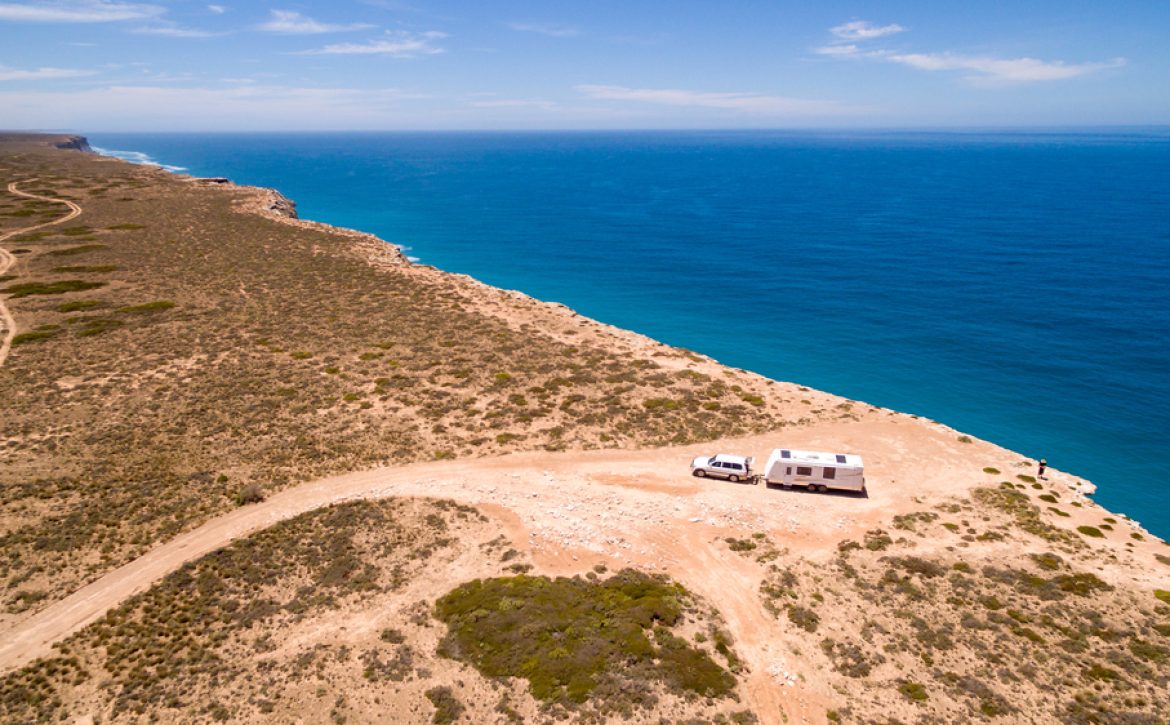
Aerial,View,Of,Outback,Australia,Travelling,On,The,Road,With

How Does Caravan Suspension Work?

Caravans are large, heavy vehicles that are frequently used by people who don’t have a lot of experience driving anything bigger than a car. They’re often taken off-road, adding to the challenges of keeping them under control. Because of this, caravans need to be well-designed and easy to handle, and that means good responsive caravan suspension.

What Is Suspension?

Suspension systems make travelling in a vehicle more comfortable by keeping the vehicle a safe distance above the road, absorbing shocks, and making the vehicle feel more stable. They usually consist of a spring and a damper. The spring compresses and extends based on the movement of the vehicle, while the dampers absorb excess energy, stopping the vehicle from bouncing around out of control.

What Sort Of Suspension Do Caravans Have?

Because caravans are so large and heavy, and people often drive long distances in them, a caravan suspension system needs to be able to handle large amounts of energy. This means the springs need to be strong enough to withstand repeated compression and extension. In addition, the dampers need to be able to handle repeated use.

Dampers convert the energy from the springs into heat. The longer the drive, the more heat they need to be able to cope with. This is one thing that sets high-quality suspension systems apart from lower quality brands.

The most common suspension systems seen on caravans are:

  • Live Axle/Solid Axle suspension
  • Independent axle suspension
  • Leaf Spring suspension
  • Airbag suspension

How Caravan Suspension Work

How Does Caravan Suspension Work?

Live axle suspension systems use a single axle with wheels on each end and are often used together with leaf springs. This type of suspension is popular for on-road caravans which aren’t under a lot of strain. It generally works well and offers a smooth ride, but does tend to sag over time.

Independent suspension systems use two shorter axles that, as the name suggests, operate independently of each other. This allows for more ground clearance, and also works well in unstable conditions, because if one wheel hits a pothole or a bump in the road, the other wheel’s suspension doesn’t move.

Independent suspension has good shock-absorbing properties and can help to promote good toe and camber, stopping the wheels from leaning too much in varying conditions. The challenge with independent suspension is that the springs may become overly compressed, and need to be replaced.

Leaf spring suspension has been used by caravan and other large vehicle manufacturers for around a century. It’s a technology that people stick with because it works. Modern manufacturers have made some tweaks – improving on the materials used to make them lighter and more durable, but the basic design remains the same.

Airbag suspension uses air instead of springs. Rubber bags of pressurised air respond to the changing terrain and allow the caravan to bounce up and down. This kind of suspension is more expensive and needs regular maintenance because there needs to be an air cylinder or compressor to supply air to the suspension. The trade-off is that the suspension gives a very smooth ride even in the most challenging of conditions.

Choosing Suspension For Your Caravan

Many manufacturers choose trailer suspension that mimics that used in cars, even though trailers rarely have passengers in them. It’s important for caravans to offer the level of comfort of cars, for the benefit of the riders in the cab, but for trailers, this is less important.

If you’re considering upgrading the suspension on your caravan, look for something that can handle the weight of the vehicle, the conditions that you’re going to be driving it in, and the strain you will put it under. Thermal dissipation is important for long journeys, and good toe and camber is important for off-road use.

If you are looking for the most reliable caravan suspensions in Australia, look no further than Alpha Suspensions.

Please call us today on 03 7009 2660 and get a free quote for any on or off-road caravan suspension requirements you may have or you can leave an inquiry.

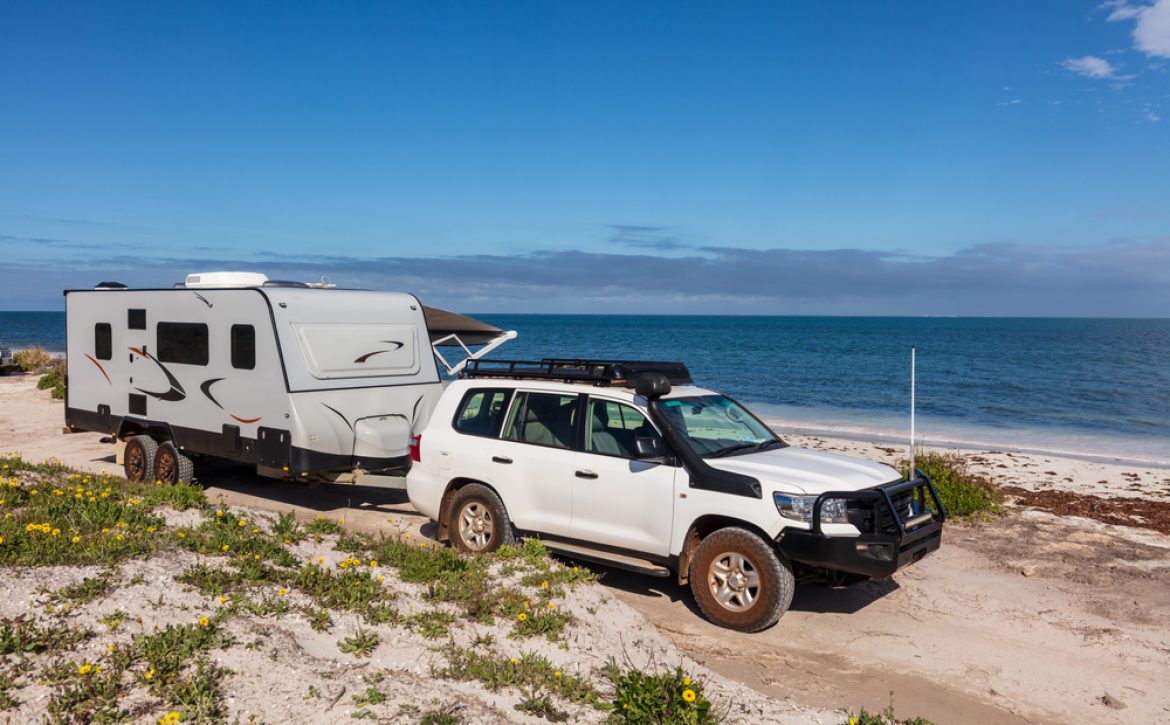
Landscape,Aerial,View,Of,4wd,And,Modern,Caravan,Parked,Adjacent

What Are The Different Types Of Caravan Suspension Systems?

Caravans are an excellent way for you and your family to explore different places throughout Australia. Every caravan has a suspension system which plays an important role when it comes to cushioning the ride thus making the ride more comfortable for passengers. A good caravan suspension absorbs road shocks and prevents these forces from being directly transmitted to the caravan. 

There are several different types of caravan suspension systems, including the following:

1).  Rigid Axle Suspension

The rigid axle suspension system is one of the earliest suspension systems and was primarily used in the early stages of the automobile industry. The suspension system has successfully stood the test of time and can still be found in some off-road caravan brands.

A rigid axle suspension system is easy to manufacture and install. It might offer less comfort, but it is simple and cost-effective. It has lower maintenance needs compared to other advanced suspension systems but is still robust and has a massive load capacity.

2). Leaf Spring Suspension

The leaf spring suspension system is one of the oldest types of suspensions and can still be found in many off-road caravans. It is far more cost-effective than the majority of suspension systems currently in existence.

Leaf spring suspensions are often used for light trailers and are an excellent option when it comes to absorbing blows from rough spots on the road. Still, even with all their popularity leaf spring suspensions aren’t recommended for heavy-duty use.

3). Trailing-Arm Suspension

Trailing-arm suspension systems were originally used in aircraft landing gears, but are currently used extensively in ground vehicles too. A trailing arm suspension has a link or arm that connects the trailer’s axle to a pivot point on the chassis.

The trailing arm is located at the rear of the trailer’s axle and is perpendicular to it. The use of independent trailing-arm suspensions on the trailer allows every wheel to move independently and vertically to ensure a comfortable ride.

What Are The Different Types Of Caravan Suspension Systems

4). Air Suspension

Air suspension systems have been used in ground vehicles since the 1980s. The air suspension is the result of making a slight change in the trailing-arm suspension. Instead of using steel springs such as those used in trailing-arm suspensions, bellows made of textile-infused rubber, known as air springs or airbags/bellows are used.

The air springs bear the load of the trailer in air suspensions as opposed to the steel springs in the trailing-arm suspensions. Air suspension systems are an excellent choice for caravans as they perform well on all kinds of terrain. However, to modify the pressure according to the terrain, you must first have an air cylinder or air compressor with you.

5). Rubber Suspension

Rubber suspension systems are lightweight and relatively simple suspensions. A rubber suspension system is essentially a torsion arm suspension. The torsion arm is attached to the trailer’s frame, and inside contains a heat-treated inner bar that’s surrounded by 3 or 4 rubber cords.

Once a load is applied, the inner bar rotates and this causes rolling compressive resistance in the rubber cords. Rubber suspension systems are independent too just like the trailing-arm suspension systems and the rubber cushioning eliminates metal-to-metal contact.

Final Thoughts 

It can be difficult to choose the right caravan suspension system for you if you don’t know about the different types available. Fortunately, the different types of caravan suspension systems currently available have been featured here to help you make a more informed purchase decision.

Still, it is a good idea to discuss the various options with a professional or someone experienced in suspensions before you make a final decision. If you are wondering which suspension is best suited to you, keep in mind that it will all depend on the application.

If you are looking for the most reliable caravan suspensions in Australia, look no further than Alpha Suspensions.

Please call us today on 03 7009 2660 and get a free quote for any on or off-road caravan suspension requirements you may have or you can leave an inquiry.